


Oil/Water in Air Intake


Thread Starter
|
Member

Joined: Mar 2014
Posts: 3
Likes: 0
From: a
Oil/Water in Air Intake
'97 2.3L XLT
I have found a fair amount of oil in my air intake. There is a tube running from the top of the engine into part of the air intake assembly which is no doubt where its coming from. There is also a thin layer of oil all the way down through the intake manifold and even down to the PCV valve, so we're talking a big issue (though strangely I haven't noticed issues with the engine running rough).
Anybody know why there is a line going from the top of the engine to the air intake in this engine (or any engine I guess)? Is this issue fixable or do I need to replace the component pictured?

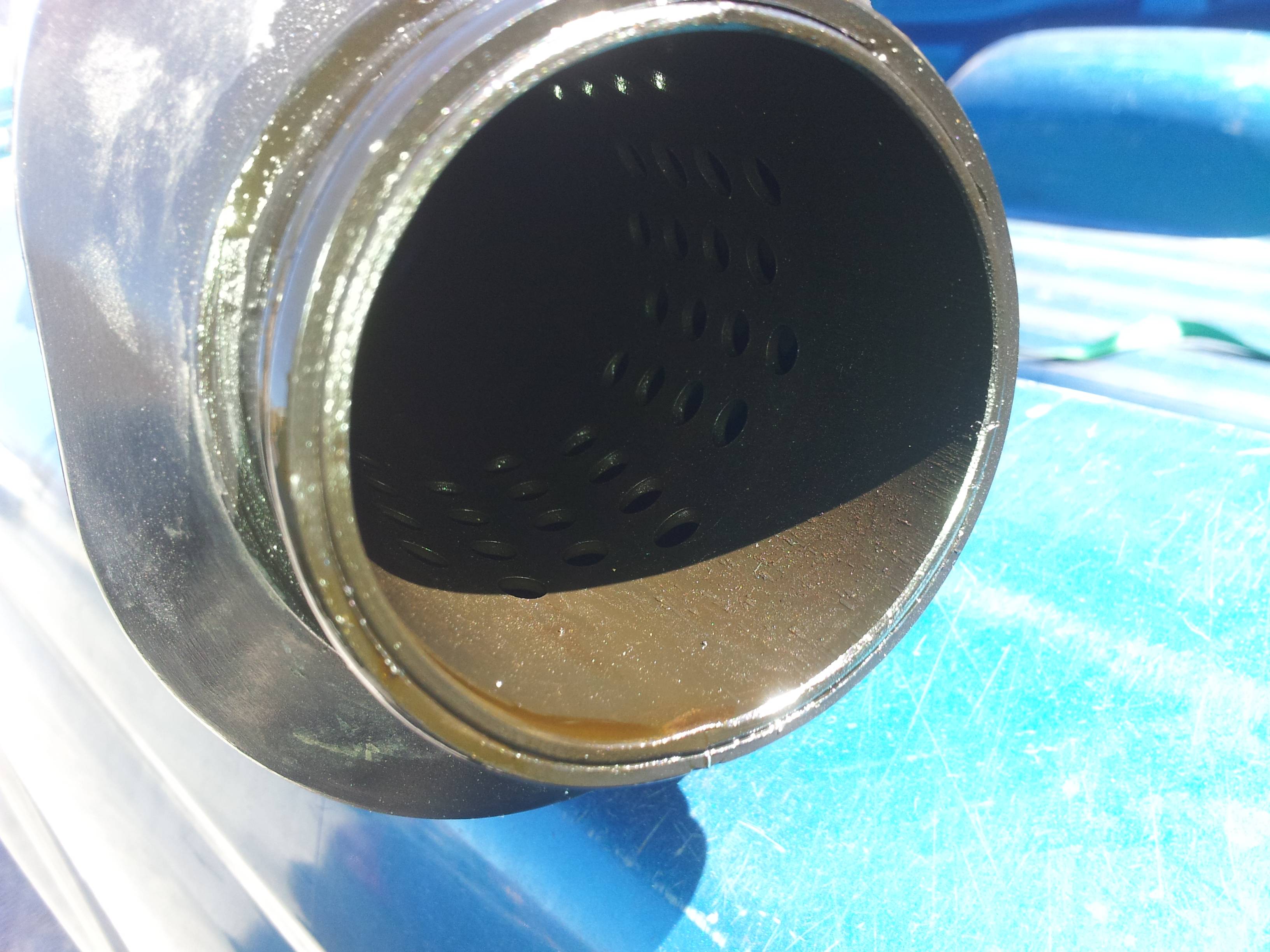
I have found a fair amount of oil in my air intake. There is a tube running from the top of the engine into part of the air intake assembly which is no doubt where its coming from. There is also a thin layer of oil all the way down through the intake manifold and even down to the PCV valve, so we're talking a big issue (though strangely I haven't noticed issues with the engine running rough).
Anybody know why there is a line going from the top of the engine to the air intake in this engine (or any engine I guess)? Is this issue fixable or do I need to replace the component pictured?


Yes, replace PCV valve and check it's hose and gasket.
All piston engines have "Blow-by"; each time a cylinder fires some of that expansion of burning fuel will "blow-by" the piston rings, as the rings and cylinder walls wear the amount of blow-by increases.
The blow-by is very hot and vaporizes some of the oil on the lower cylinder walls as it passes into the crankcase.
In the "old days" there would be a metal vent tube on the upper oil pan point down at the ground.
Blow-by pressure and oil vapor would escape out that vent and into the air, also drip on the ground.
The Positive Crankcase Ventilation(PCV) valve was added to engines to reduce this random pollution of the air and roads.
The PCV valve sucks air from inside the engine's crankcase/valve cover area and runs it thru the cylinders to be burned.
If the PCV valve isn't working at it's full potential then blow-by pressure will go out the Vent tube and into air cleaner/air plenum areas.
Excessive blow-by would mean bad rings and you would notice engine was very under powered, bad exhaust valve stem seals can mimic bad rings, as they increase pressure in the valve cover.
A simple Vacuum Gauge is a good tool to have, it can diagnose many issues, including ring condition.
My guess would be a problem with the PCV valve system.
Water vapor is pulled into the engine all the time, it is easily "burned off" when engine runs for 15-20 minutes, but short trips, under 15 minutes, allows the water vapor to accumulate, that will give you the white-ish residue on oil filler cap and tube, also the top of the dip stick.
And in air cleaner/air plenum if oil vapor is present to mix with incoming humid air
All piston engines have "Blow-by"; each time a cylinder fires some of that expansion of burning fuel will "blow-by" the piston rings, as the rings and cylinder walls wear the amount of blow-by increases.
The blow-by is very hot and vaporizes some of the oil on the lower cylinder walls as it passes into the crankcase.
In the "old days" there would be a metal vent tube on the upper oil pan point down at the ground.
Blow-by pressure and oil vapor would escape out that vent and into the air, also drip on the ground.
The Positive Crankcase Ventilation(PCV) valve was added to engines to reduce this random pollution of the air and roads.
The PCV valve sucks air from inside the engine's crankcase/valve cover area and runs it thru the cylinders to be burned.
If the PCV valve isn't working at it's full potential then blow-by pressure will go out the Vent tube and into air cleaner/air plenum areas.
Excessive blow-by would mean bad rings and you would notice engine was very under powered, bad exhaust valve stem seals can mimic bad rings, as they increase pressure in the valve cover.
A simple Vacuum Gauge is a good tool to have, it can diagnose many issues, including ring condition.
My guess would be a problem with the PCV valve system.
Water vapor is pulled into the engine all the time, it is easily "burned off" when engine runs for 15-20 minutes, but short trips, under 15 minutes, allows the water vapor to accumulate, that will give you the white-ish residue on oil filler cap and tube, also the top of the dip stick.
And in air cleaner/air plenum if oil vapor is present to mix with incoming humid air
Last edited by RonD; Mar 18, 2014 at 11:37 AM.

Member
Joined: Jul 2006
Posts: 199
Likes: 1
From: Tejas!
1997 the PCV "fresh air" tube goes from the valve cover to the air intake just before the resonator.
1998-2001 the PCV "fresh air" tube goes from the valve cover to the throttle body directly.
The 1998+ don't have this issue, because the "air/oil reversion" takes place AFTER the resonator so the oil can't pool.
They didn't FIX the problem, just hid it better.
PCV catch can on both sides of the PCV (clean and dirty).
1998-2001 the PCV "fresh air" tube goes from the valve cover to the throttle body directly.
The 1998+ don't have this issue, because the "air/oil reversion" takes place AFTER the resonator so the oil can't pool.
They didn't FIX the problem, just hid it better.
PCV catch can on both sides of the PCV (clean and dirty).

Thread
Thread Starter
Forum
Replies
Last Post
Marebito
General Technical & Electrical
1
Feb 5, 2020 05:41 PM


